
7. December 2016 | Blog
We love to share stuff about what we’re working on at Refuga and give some insights into what we’re doing and why. Today I want to share a bit about something we’ve been working on behind the scenes, to easily run all aspects of Refuga.
Last year, when we slowly tried to do more trips, it quickly gave us a lot of administration. The challenge was to keep track of cash flow, profitability on each trip and all participants. Stuff like this just took more and more time and the information were spread out in different inboxes, spreadsheets, and systems.
We’re passionate about doing trips and filling them up and we want to make everything else as lean and easy as possible, so we can focus on getting people on awesome trips. After testing different standard CRM systems etc., it was obvious that there was no perfect fit. I’m a really, really big fan of standard systems because they can be great and cheap tools to get started very fast. I know people running pretty big companies only based on standard systems.
But I also believe at some point, either if your company grows or if it’s very unique in it’s way of doing stuff (or a combination) building your own system can lead to major benefits.
The system
The overall idea with our backend system is that we wanted one place to manage everything and we wanted to make it as simple as possible. What we needed was:
- A complete CRM of all past participants and leads
- An overview of all new leads and sales
- Current overview of all trips (what’s the current profit/loss, how much of the capacity did we sell etc.)
- Reminder system, so all tasks related to following up etc. is in the system (and not in our heads or just email inboxes)
- Financial overview. We wanted to have the absolute most important metrics show all the time, so we know how we’re doing. Metrics include:
- Marketing spends (in the percentage of revenue), capacity sold, monthly revenue, profit/loss, future payments and a few more.
Under here you’ll find a few screenshots from the system and explanations about the features (I’ve blurred out names and some of the numbers):
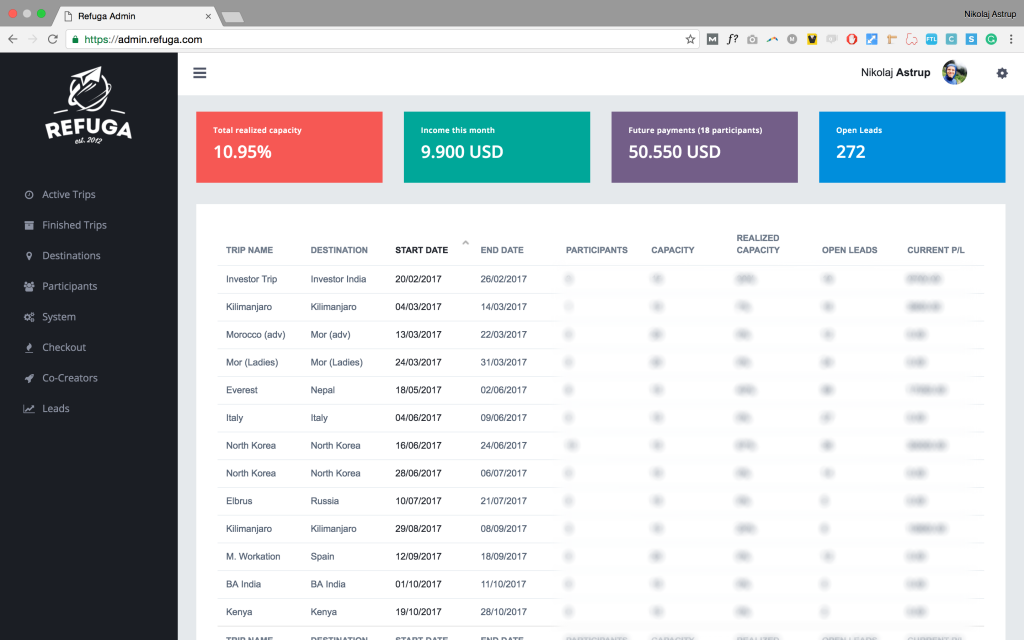
The most important thing initially was to get a complete overview everyday and that’s what you see here on the frontpage. Everyday when I log in I see the current status on all upcoming trips and how we’re performing right now. This way everyone always knows how many spots we have left on each trip.
The next thing we’re building here is a box with marketing spend per lead and per confirmed participant. When we develop trips we know exactly how much we have in marketing per participant, so getting this number across all trips will let us know if we have to improve or if we can push harder.
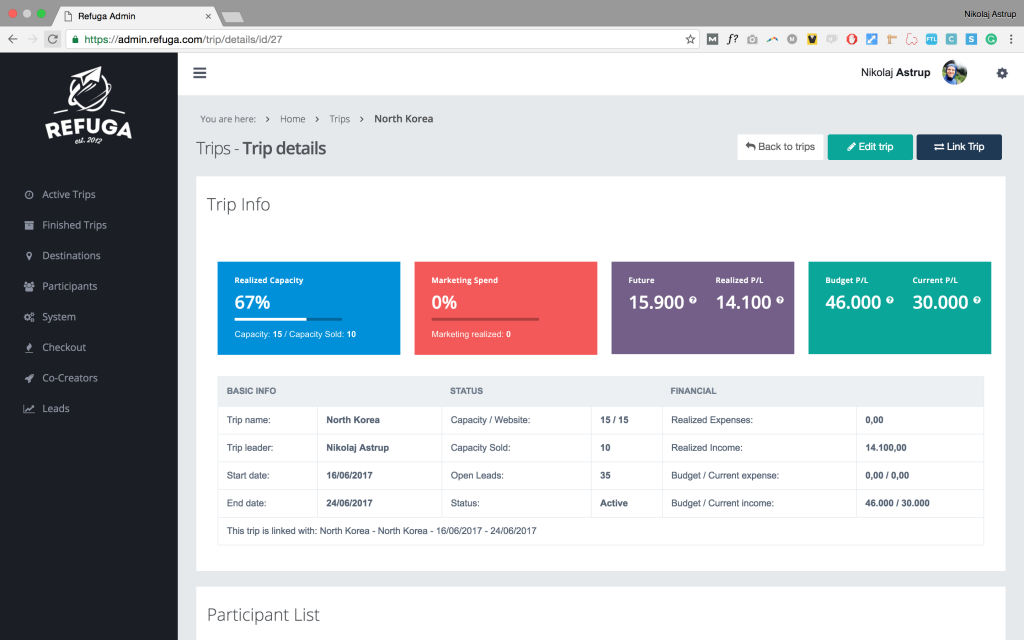
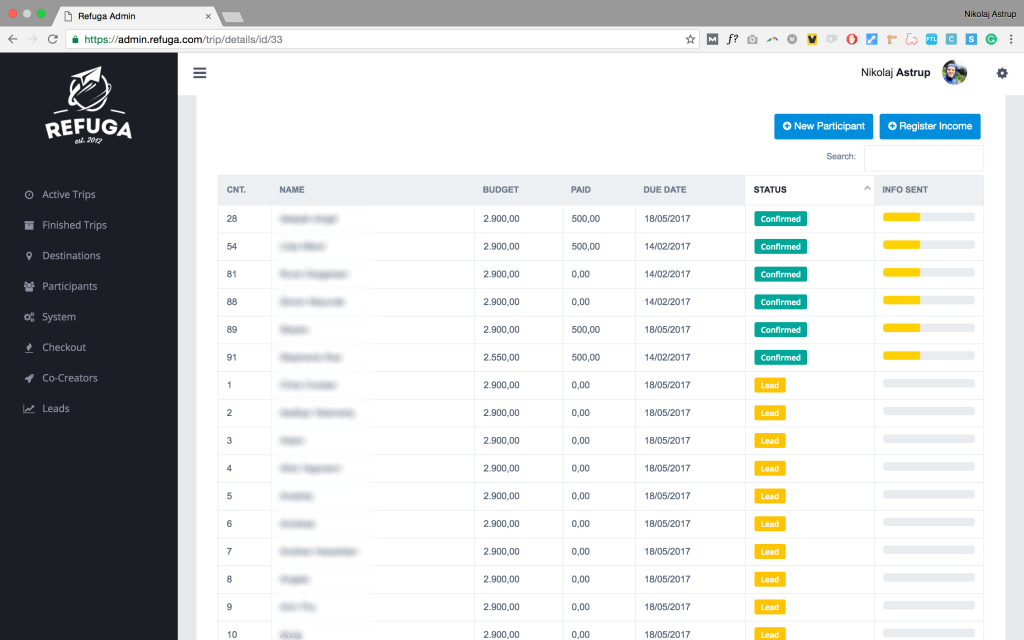
When clicking on each trip you get a page just for that trip with all data and status about that trip. A complete overview. There is also an overview of all people associated with this trip, all leads and all confirmed. Here we can click the lead and see what the status is and we can see how much information we have sent to confirmed participants.
Scrolling a bit more we will see cash flow charts for that specific trips, both on what we’re budgeting with and how the real life scenario turned out.
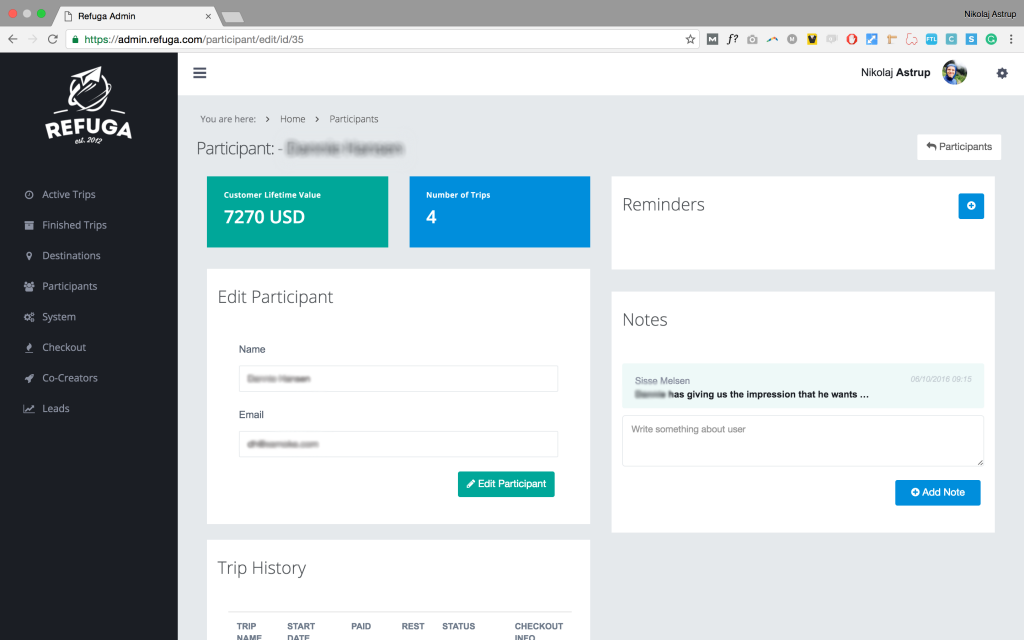
When clicking each person we go to their profile where we can see some basic info, notes we have made and reminders that we have set on the person. A reminder can be that we have to follow up, send information, send visa info etc. Here we also see the trip history (which trips has this person been interested in and how many have the person participated in) plus all payment history.
Inspired by some cool CRM systems, I want to rebuild this a little bit to make it more like a time line, that includes all info about the person in a chronological order, including notes, reminders etc.
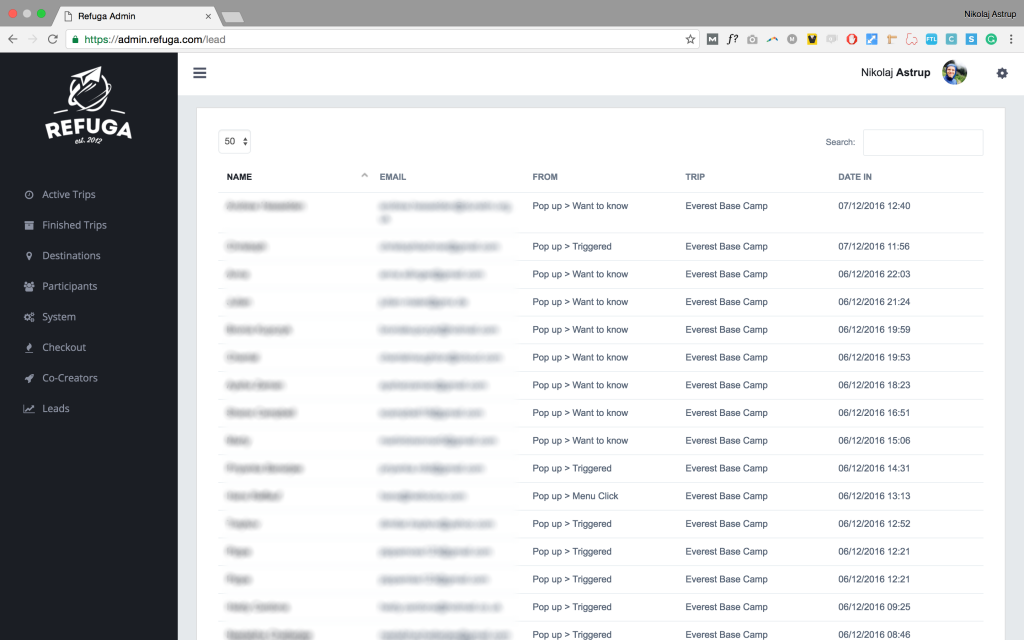
We also have a complete lead section, which is more or less the same as you would see in the backend system of an e-commerce site. This is where we go every day to see all new leads and sales. Here we have everything no matter if it’s a person added manually in the admin, someone interested in a trip or a direct sale online.
After trying multiple models for signing up, we have found a sweet spot with both having direct online booking and then triggering a pop up on each landing trip. Filling out that popup with name and email and we will keep you updated on the trip (like sharing profiles on confirmed participants, letting you know when there are just a few spots left etc.).
In the lead flow we can name, email, trip and time, but also where they came from. If the person was added manually, we can see who on the team did it and if they came from the pop-up, we can see exactly where that pop up was triggered (can be triggered in 4 different ways on the landing page).
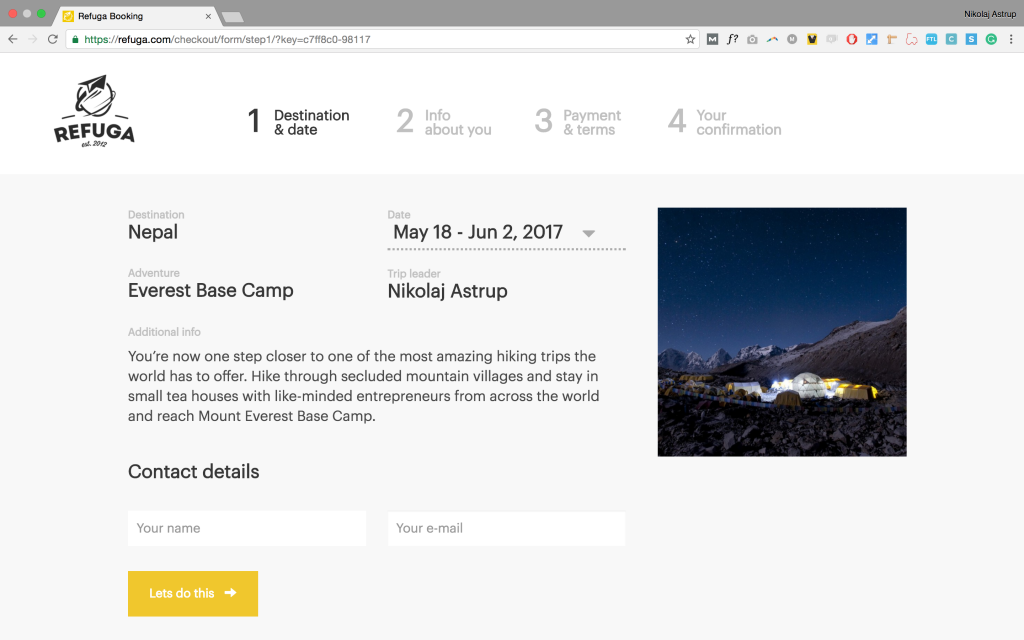
We really wanted online payment, but it was difficult to find a gateway that was a perfect match, so we made our own complete payment plugin. We’re using Stripe and it’s 100% connected to our admin system and can be setup up on another site in 15 minutes.
When going from a landing page to the checkout you’ll get info about that trip and the trip leader – all which are filled out in the admin system.
We’re also using unique parameters in the first steps of the checkout, so eventually we would be able to send emails to people who go through some of the steps, but doesn’t finish it, with a link to continue with their basket (again, inspired by e-commerce sites).
Automating and building a foundation for scaling
The whole idea with the system is to do everything as lean and automated as possible, so we have more time for the participants and for creating awesome events. I think most people working with events will confirm that it can be a bit tricky to scale. That’s why we want to build a foundation that lets us focus on the most important things.
Going forward one of the most important things with the system is going to email. We want to go away from sending normal newsletters, that are normally pretty standard and sent out to not very well defined segments. Instead, we want to focus on getting leads for each trip and then communicating with them via email. Most more personally and specific. That’s something we’re building right now.
Besides that, we want to connect the system a bit more with our marketing spend. Doing more events and selling more tickets will require that we spend a bit more on marketing and we want to control that spend 100% to make sure we’re doing the right thing. Right now we’re connecting the admin system to Facebook Marketing’s API, to get live data over.
One is where the system can become crucial is as kind of business intelligence tool. We already have cash flow charts for each trip, both on what we budget with and how it turned out in real life. That can be used to analyzing our work with a trip and improving it afterward. Just like that, we have a lot of data in the system, that – in the future – can be used to analyze and improve everything we do.
If you want to build your own system
Based on our work with many standard systems and building our own custom system, my learning can be compressed to the following:
- Use standard systems as long time as possible. There are so many awesome systems out there, where you just pay a monthly fee for using it. There is no reason to build your own if you can buy it for $30 per month. Working with standard systems first you will also get a lot of experience with what your business actually needs and what it doesn’t need. I would never build something if I hadn’t tried a lot of other systems first.
- If there is something you can’t find a standard system for, try to build it as simple as possible. We started out with wanting to have cash flow, status with trips and participants list. We hired a freelancer who built all that in Google Spreadsheet. It was very complex, but it was more or less our first version of the system. It cost us under $250 and we used it for a long time. Besides that we adjusted it and it was the foundation for building the real first version of the system you see above.
- Save money where you can, by buying an admin theme on sites like Themeforest. There are so many great themes out there for just a few dollars, so there is no reason to get it designed yourself. We wanted to focus the developers hours on building the system, not clipping up a PSD that would just add to the cost. We used this one ourselves (I have used the same to build a system for Radimet, ByHappyMe and others)
What did it cost?
We’ve spent +1.000 development hours on the system. Besides that is project management, deciding what we needed etc. I think we did it the right way, but we also made some small mistakes, where we had to start over with features etc. Of course, that adds to the overall cost, but I guess that’s pretty normal in development of systems.

26. November 2016 | Blog
The last 3 years I’ve been traveling full-time and working remotely and our team here at Refuga is also working remotely. We have experienced a lot of the positive sides of doing it, but it also made me wonder how the future will be and what kind of impact working remotely could have. I think there are some areas where remote work can really help transform the world to the better and just be for the top 1% luckiest people in the world.
Withour further ado, a few thoughts on how remote work can help make the world a better place:
More meaningful work
First of all, and probably most obvious, remote work can be a tool in living a more meaningful life on your own terms.
Having more people do meaningful work and live better lives is definitely something that can change the world for the better. With remote work, people are able to live a bit more on their own terms and not just fit into one way of working and living.
My experience with people who are working remote is that, when they are living life more on their own terms, they start to move even further up the Maslow pyramid of needs and think more about creating impact, helping others and doing work that is not just meaningful for themselves, but for the whole world.
Having a better work life will not just make you happier and make your work better, but it will also inspire others to do more meaningful work creating a small and slow, but real, movement.
Better education
A sub-trend in the whole remote working movement, that I’m very interested in myself, is the way some people are using it to educate their kids in a more natural and practical way.
Without going into a longer discussion about the education system, my opinion is that it’s a very, very flawed system. It’s a one size fits all system that was built for the industrial time where the goal was to educate people to have the same mindset, so they could become good workers in the factories. In the future, these jobs won’t be there and we need people to be creative, start their own businesses and work much more independently. Research shows that kids get less and less creative the more years the go to school.
The above are just a few things that are not working with education, but the big challenge is, that it’s the best system we have. It’s an extremely practical system because it’s easy. Parents have dreams of their own and need to work to earn money for the family, so it’s very practical to set the kids of schools and institutions and pick them up at the end of the day.
Some people are using remote work to change that. They have grown tired of the endless busyness and many of them didn’t feel that the school system was a good fit for their kids (a one size fits all system always have people who don’t fit into the system). They are not just homeschooling, but doing world schooling.
They have decided to travel full-time as a family and teach their kids through traveling. Some follow a curriculum while others choose not to. The idea is that it’s a way for the family to spend more time together and a way to do education much more practical and based on natural learning.
I’ve personal been super inspired by the small community on Facebook “Worldschoolers”. If you want to read more about the ideas leading people to educate their kids this way, I can really recommend Peter Gray’s articles on Psychology.com and the books by Sir Ken Robinson and of course his world famous TED talks.
Good jobs in areas that have no good jobs
I’ve been working with freelancers online at platforms like Upwork for years, but I had a real mindset-changing experience when I traveled to Kenya and met up with Jackiya, a young girl that had been doing freelance work for me for a while. It’s was extremely interesting to hear her story of creating her own job with online work when her surroundings had no or very few good paying jobs to offer.
The internet and working remotely can really make a huge difference in getting third world countries on a higher level. Earlier this year I visited Bangladesh, one of the poorest countries in the world, sadly known for horrible work conditions. It’s very difficult for me to change something for the better in Bangladesh through for example volunteer work, donating money etc. With the internet and remote work I can easily create a good paying and meaningful job in Bangladesh. Besides just creating that job, there will be some added benefit, because the person in Bangladesh will probably share his or hers story with friends and family, who could be inspired to do online training and search for online jobs.
But this is not just true of third world countries. In many Western countries, we see big challenges caused by globalization and the end of the industrial period. This transition of our whole world will – as all transitions – have some losers. When factories are closing down, either because of outsourcing or because machines are taking over, it means that people are losing their jobs and while many western countries are actually creating more jobs than that’s disappearing, it doesn’t mean that there is created new jobs in smaller cities or rural areas, where a lot of the losers in this transition are living.
A big, growing problem in the West is the gap between the rural areas and the big cities. While all the good things of globalization and technology are present in the big cities, the rural communities aren’t experiencing any of these positive things, they are just paying the price. A way to try to solve this could be for the governments to actively work with creating new online jobs and training for people in these communities as part of the solution.
The value of living abroad
The whole wave of remote work has also sparked the whole digital nomad scene where a lot of people travel around while working. It’s been normal for most people to just travel for week-long vacations and sometimes with work, mostly just seeing the inside of a conference hotel. When more and more people are able to work where they want, more people will not just travel to visit another country, but actually, travel to live there for a longer period of time.
While the benefits of traveling, like seeing and understanding other cultures, is something that can dramatically change the world for the better, that can be super difficult when just traveling for one or a few weeks of vacation. Vacations are breaks from your everyday life and normally people are so exhausted from their normal lives that it’s difficult to experience a lot on a short vacation. Actually living for a longer period in another country open your eyes much more for other cultures and thereby making you more understanding of the differences around the world.
These are just some of the ways we see that remote work has a very positive impact and where the impact will continue to grow.
Is remote work the solution for a better world? Of course not, but it can be part of it.

19. October 2016 | Blog
Background: We’ve launched a trip to North Korea. Check it out here.
Some weeks ago we launched a new trip to North Korea. A project that we have been very excited about and worked hard on for quite a few months. It’s been one of our fastest selling trips so far and we’re very close to filling up the first event (we will have two trips in 2017), but at the same time we also received a fair share of critique and comments on social media for supportering the regime in North Korea.
I’m writing this post to be transparent about some of the thoughts we have had behind creating the trip to give a bit of insights for both those interested in joining and those who doesn’t like the concept.
First of all, let’s get one thing clear: Quite a few negative comments on social media has been something like “So you guys like that these people have the worst living conditions in the world” etc. Let me be super clear: We are not blind and we don’t think the situation in North Korea is good in any way. We never said so and I’m surprised that we have to even make that point. We are completely aware of the situation and we are of course not making this trip because we are pro the regime.
I think it’s fair to question and criticize the decision of us going there and I’m very happy to take that discussion. The discussion shouldn’t be about the above, but should be about “Tourism in North Korea” and wether going to North Korea as a tourist is a bad or a good idea. This question has two sides as well; is it a good idea for the participant and how does it affect the country.
Let’s start with the simpler one. First of all; yes, it’s safe to travel to North Korea and it’s a big experience. That’s why we’re doing it. Yes, there are rules around what you can see and what you can do in the country, but we believe that traveling to North Korea will still give you an impression of the country and learn you things. We truly believe that travel is the best form of education and we wouldn’t do this trip if we didn’t believe that the total package of the experience and the people you will be traveling with, wouldn’t move you in some way. At the same time we are working with an on ground partner that has +10 years of experience and is one of the best companies doing tours to North Korea.
Secondly, and this is a much bigger question, how does tourism affect North Korea. The critique is that by traveling there you only support the government and you help keep the situation as it is. This is major point to discuss in my opinion and this is something that we thought a lot about before finally deciding to do the trip. Yes, tourism in North Korea is run by the government and money spend on tourism goes to the government. But is that just it and you should not go there or to any other countries where you don’t like the government or where conditions are bad?
We don’t believe so. First of all, it’s super complex and there is no black/white answer to wether tourism in North Korea is just a good or just a bad thing. It’s more complex than that because there is so many factors to take into account. As mentioned this question of how the money we spent in North Korea will affect the country was the biggest concern when deciding to do it. When we finally decided to actually execute the trip, it was based on the following points:
Trade and business is one of the best things to secure peace between nations. If two nations have deep and important trade relations they are more likely to have a good relationship and both work to continue to have peace between them. Long term, we believe that trade is a big part of the solution and you have seen that in other countries and areas of the world, that has slowly opened up because they needed money and thereby slowly changing the politics and overall status of the country.
A country first of all consist of people. In the media we just get this idea about a crazy country, but first of all North Korea is it’s people. Even though what we can see and do in North Korea is limited the rules of how much you can be in contact with local people gets pushed slowly and tourism helps with that. Over the years there has been more and more interaction between tourists and the locals. The rules slowly softens up and more and more people travel there, which gives both the visitor and the local an idea about “the other side”. As mentioned, we know that there are strict rules and we are not saying that just because we will meet a few locals everything will be better, but the rules keep moving and soften up very slowly and we want to support that.
We have worked super hard on this trip and we are definitely doing all we can to see and do what is possible within the rules of North Korea. If you look through our program you will see that there is quite a lot of local interactions, visit to factories etc. It will be difficult to find trips where you get this close and we really think that it is a part of the bigger, long term solution.
With this post I hope I have given a bit of insights into our decision. If you have any questions at all, please feel free to comment under here and I will answer personally 🙂
If you want to check out the trip to North Korea, you can read more here.
18. September 2016 | Blog
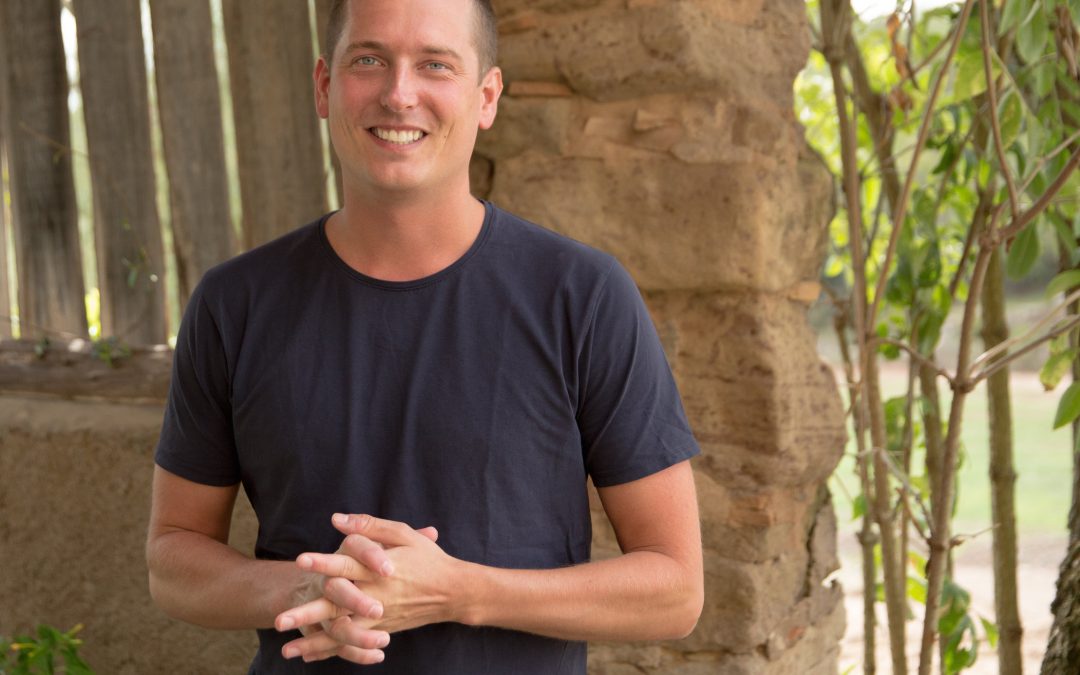
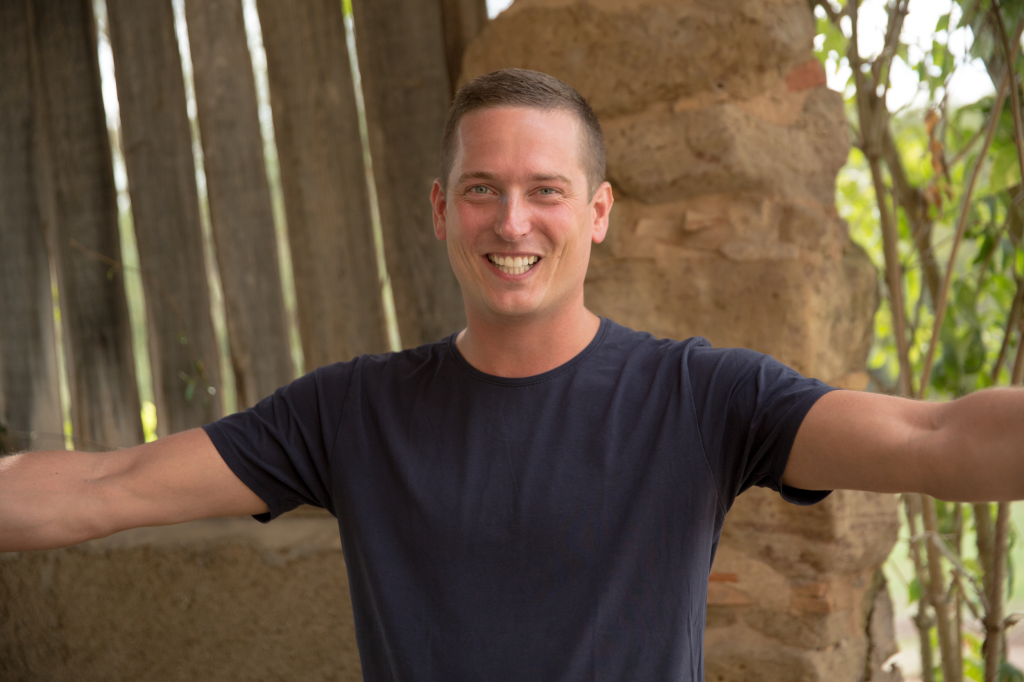
Since 2012, back when it all started, Dennis Drejer has been a loyal participant and member of the Refuga network. On our last trip to Barcelona this year, we were lucky to have him onboard again and also celebrating his 10th trip on a Refuga workation – that is pretty amazing. A milestone like this brings up a lot of questions, but most importantly, we wanted to ask him, why? So we had a little chat, and this is what he said
Tell us a bit about yourself and what you do.
My name is Dennis Drejer, I’m 27 years old and currently living in Copenhagen, where I run a e-commerce business called Rito.dk. Before I started my own company, I helped building the company cykelpartner.dk where I worked as an IT & Marketing Manager. In these years, I learned a lot about the e-business, so with more than six years of experience (good and bad) within the field, I took the leap and became an entrepreneur back in 2014. What I like doing the most, is working with automatization, optimizing processes and quirky advertising. I also do other things besides working of course, but I must admit, being a full-time geek, I really love doing what I do at work, in my spare time as well.
So this is your 10th time on a Refuga trip – what is so special about it?
Well, briefly – the talented people and the strong relationships you build with the other participants. I´ve been on numerous of conferences in my life, but never have I made a real connection to another person, like I do when I’m on a Refuga trip. Strong relationships are the most valuable in life, and this is why I´ve joined these trips several times, or to be exact – ten times. To be honest, I haven’t always been the person I am today, and back in the days I would get really jealous about other people’s success in life or business, but luckily that has changed a lot. Instead of using my energy on negative thoughts or spending time comparing myself to others, I learned that celebrating others success, being happy for them and helping them changed my way of life, and this is exactly the kind of people who joins these trips, positive and helpful people.
Could you share some examples of your learnings along the way?
As I mentioned before, I decided to start my own company back in 2014. This decision was actually made after one Refuga trip. I got a lot of advice, feedback and tools about how to do it and why to do it – so I took the leap and I did it. Overall I have had the pleasure of having knowledge sharing with likeminded people, getting feedback on my ideas and new ideas, but also some tangible advice on how to execute on it. For example, on my last trip, me and Søren (another participant) where working on a new project, which we made a prototype of that same week. On our last day, we where able to pitch everybody our idea and vision for this project, and most importantly, getting feedback and new perspectives to take back home. This is just a few examples of what the trip is all about, and also why I choose to travel along over and over again.
Do you think you will have a 20th anniversary?
I hope so! I want to join the nordic trip as well, and hopefully expand my knowledge about the nordic market and meeting more new people. Back at home, I don´t have the time to do what I do here – research, reflect and share my thought with skilled people. I have two sacred places where I have achieved the most, my office and Refuga Workation.

27. August 2016 | Blog
After hanging out in Nepal for almost a month the Refuga office headed to Bangladesh.
I must admit, I didn’t really know much about Bangladesh and Dhaka, that would be our home for a short week. I only knew that a lot of stuff get produced there and they are not really famous for great working conditions.
The idea of going traveling to country for just a week and think you’re going to be a real explorer and at the same time work your ass off on your project is super naive and I would say, pretty stupid. But yet again, here we were :).
When you’re just in a place for a short while and you need to spend a lot of time working, but you want to get an idea of that country and learn a little bit, you have to immerse yourself as much as possible. We had booked a room in the apartment of Suman and Lopa on Airbnb. They had great reviews, it seemed like they could show us a bit around plus their apartment was situated in the middle of the old part of Dhaka.
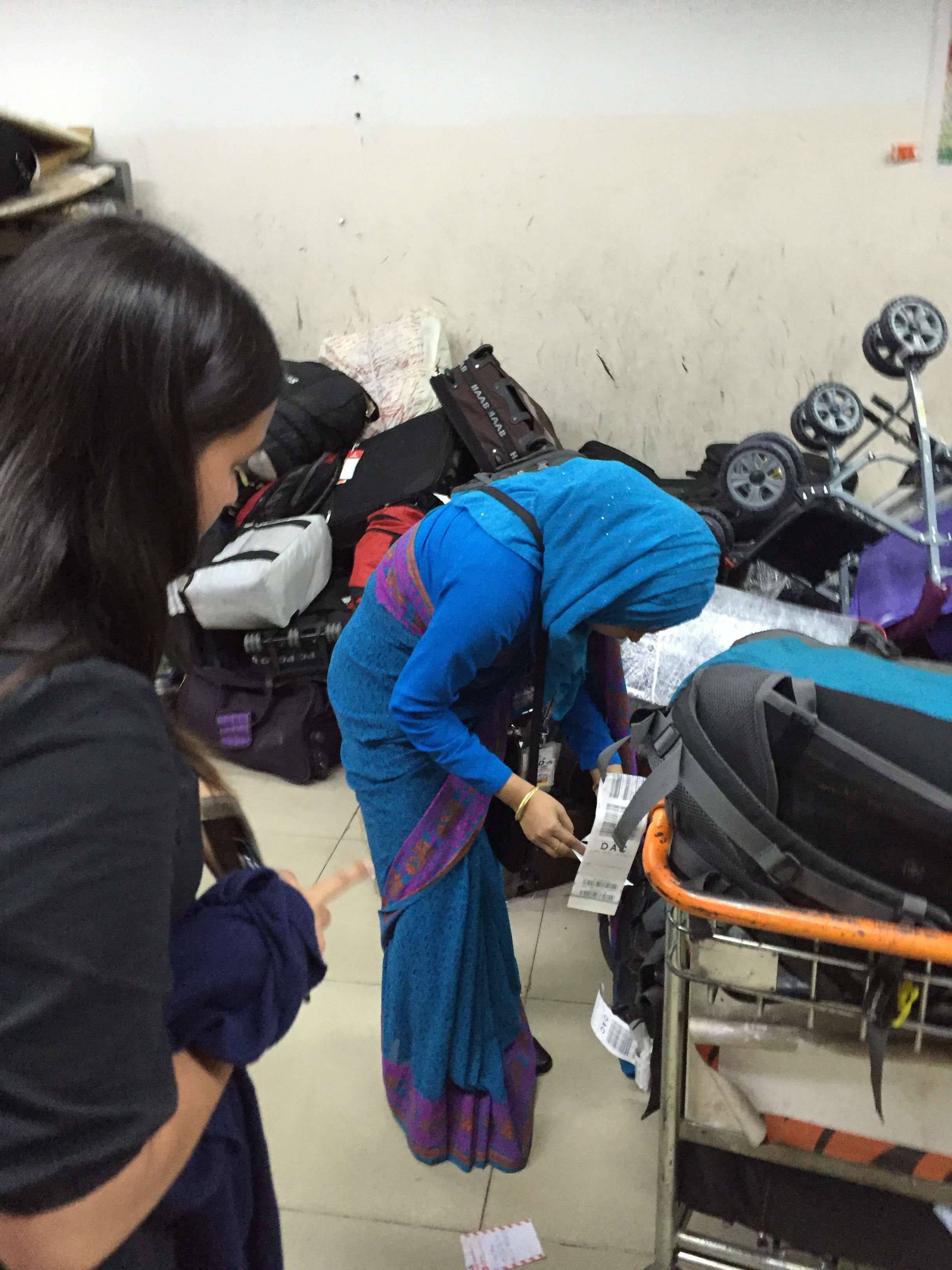
The visa officer laughed when he saw that we had written an address in the old part of town. He wasn’t used to see tourists heading there. After collecting out bags from a big pile of bags, we we’re ready to head into Dhaka.
Our host and new friend had booked a taxi for us and overall seemed pretty focused on that we shouldn’t just head out in Dhaka alone. In his communication he mentioned safety issues a few times, which we didn’t really know what to think of.
I think I’ve been in quite a few places where it’s hectic, poor and intense, but driving into old Dhaka, I pretty quickly realized that this would probably be the most hectic, poor and intense.
After 2 hours of driving (more less just traffic jam the whole way) we had gotten a glimpse of Dhaka, the super tough working conditions for many people. People everywhere, traffic everywhere, intense heat, people looking for food in trash containers, trash everywhere. It was intense, but arriving to the Suman and Lopa’s apartment was like arriving at the home of your family. They welcomed us as old friends and made great food for us. One of the first things Suman said, was that now we were their guest and we shouldn’t worry about anything, they would take care of all food and showing us around.
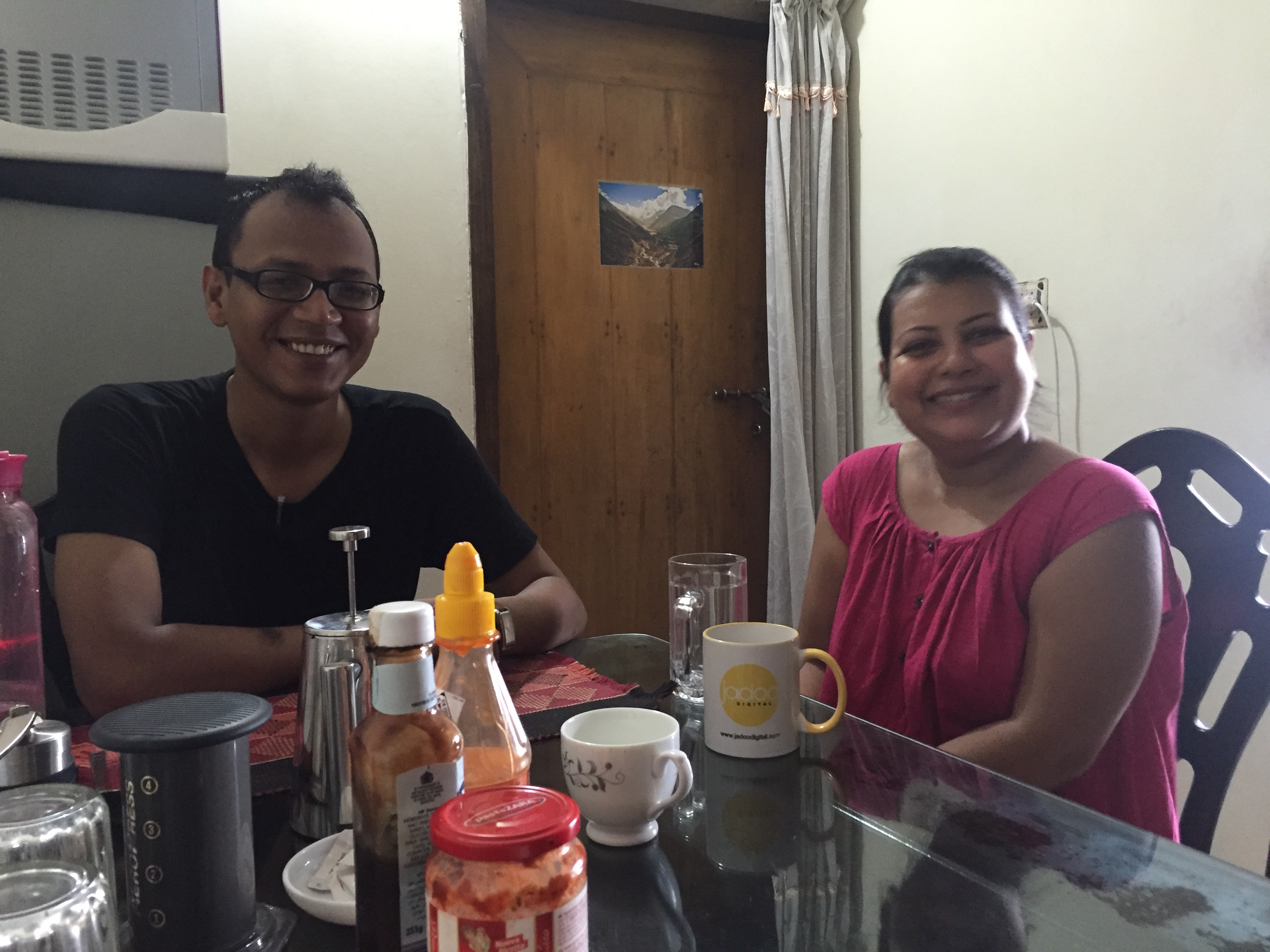
The next week went with great conversations with Suman and Lopa over delicious homemade food, Suman showing us around old Dhaka and us trying to get a lot of work done. We mostly worked from the apartment most of the day and then went out for a few hours with Suman to check out the city.
Suman is a great guide and very interested it how Bangladesh can improve, which is also puts another level on his answers to our many questions about the country, city and people. No doubt, Suman is well aware of many of Bangladesh challenges, but he is also focused on how things can improve.
He had even done a big report on how Bangladesh could get more tourism and how it could change the country. A super interesting topic and of course something I would happily talk about. Around the world we have seen many different kinds of tourism. It’s clear that it’s one of the biggest industries in the world and therefor it has a great potential for transfering money and wealth from the rich to the poor part of the world.
Sadly tourism is very often not done in a good way, for example in Thailand, where tourism in many places is just ruining culture, using local ressources but the profit goes out of the country. In Bangladesh the absolute opposite is the case. In 2009 there were around 250.000 tourists (including business travellers, which is the biggest part). After the horrible terrorist attacks last year, Suman said that it had dropped with around 70%.
In a country of 156 million people, so few travellers can’t make a big impact with the money they are spending. In a super poor country like Bangladesh, it’s extremely sad, because tourism could have such a big, big impact there. It’s difficult to point to one solution, but of course the safety situation has to be better. Western people being kidnapped is just super bad press for a country.
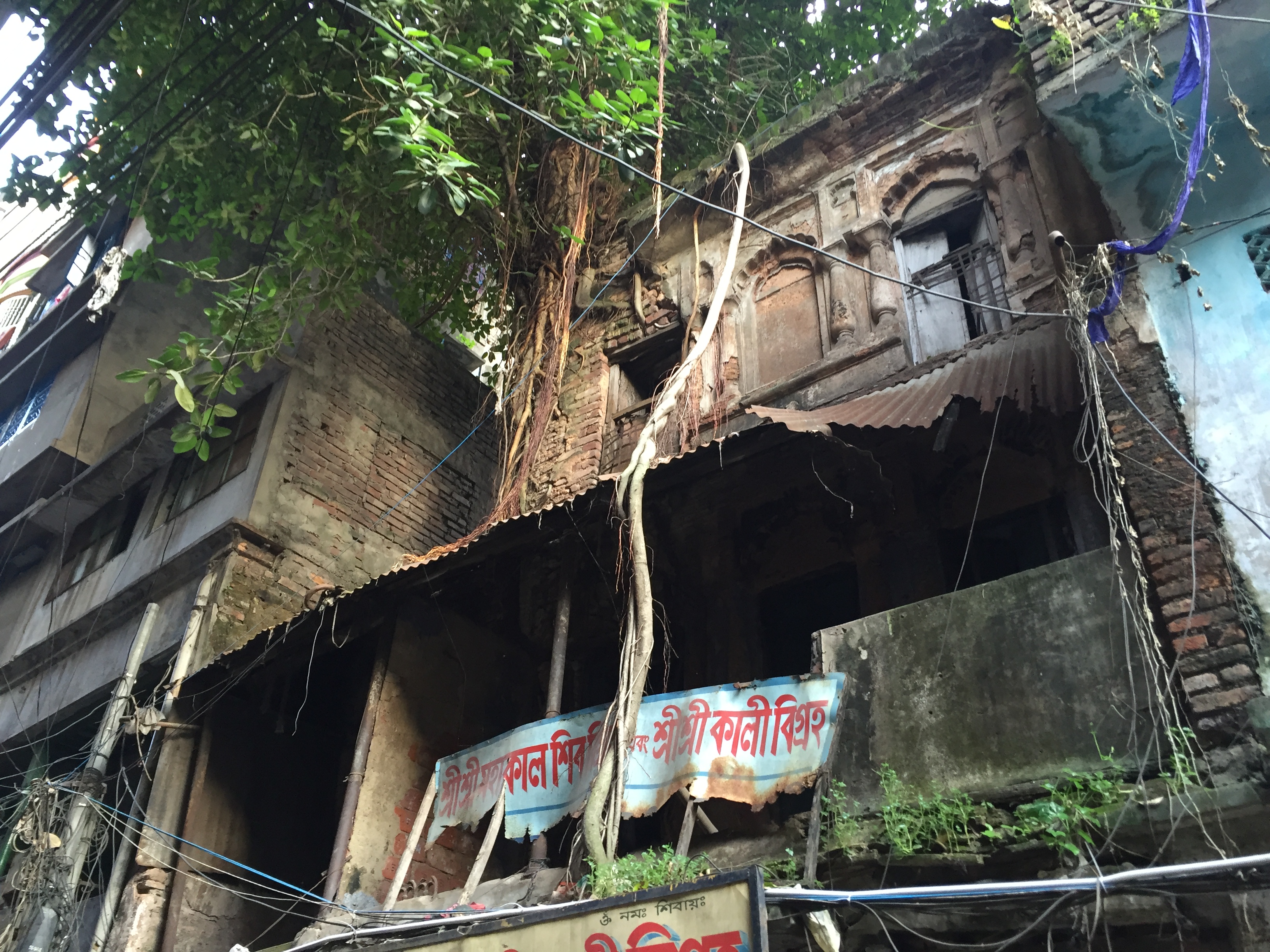
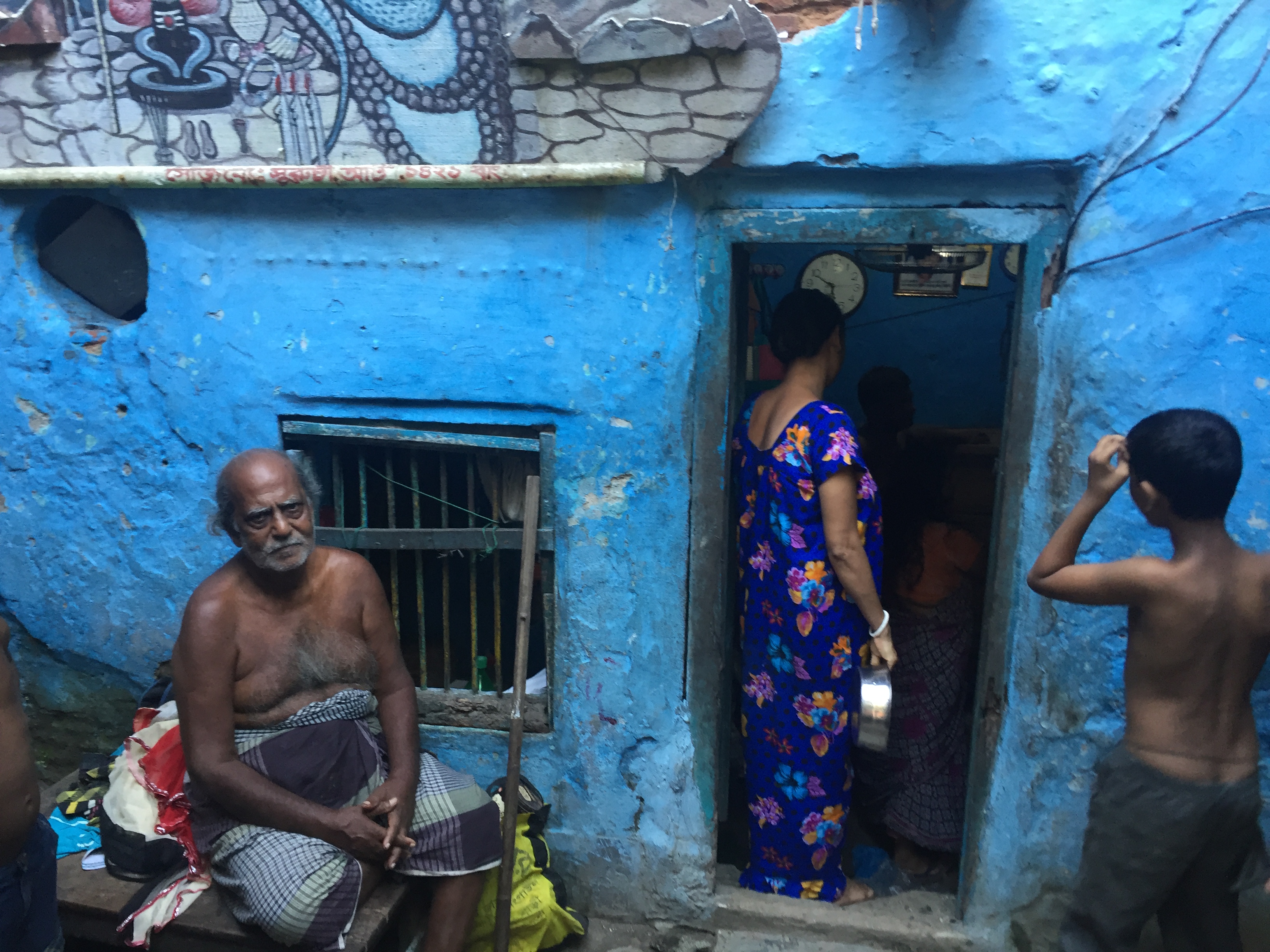
Of course, spending just a week in a country and spending a big part of that time in front of your computer working, doesn’t give you the best chance to really get to know that country. But considering we only spend a week there, I really think we got a good glimpse in the life of normal Bangladeshi people.
The biggest impression for me was to see the work conditions for many people. One evening, when it was dark, we walk alongside the Buriganga River and we sat to relax for a bit. Over on the other side was a big shipyard, employing over 15.000 people working 24/7. The average salary is $3-4 per day. Suman told us a bit about it and I had previously read a bit it (check this picture post to get an idea about the place). Even though it was dark it was possible to get an idea about it and it seemed – even from a distance – extremely overwhelming. The fact that so many people work and live under so tough conditions is difficult to comprehend.
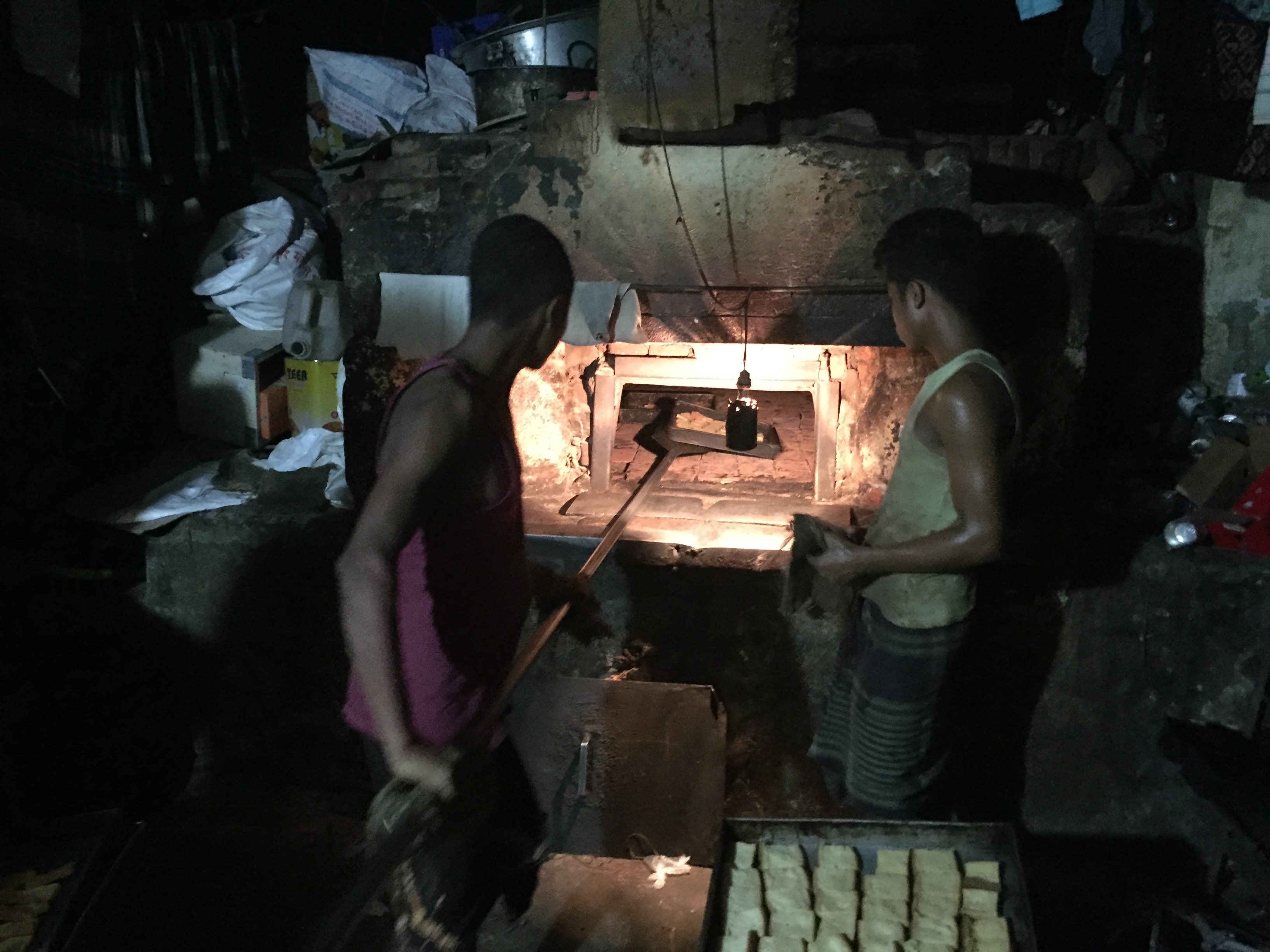
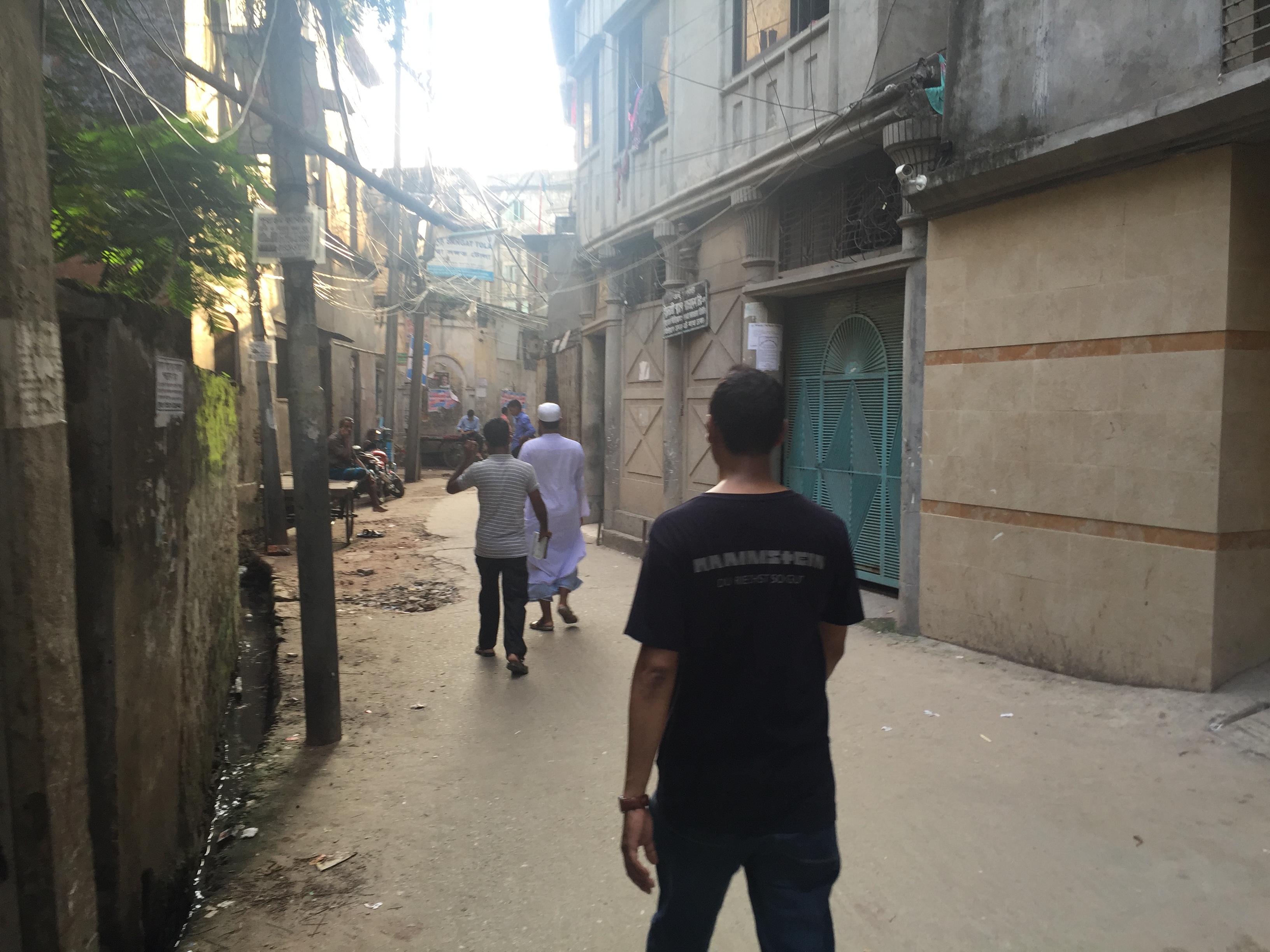
One thing I’ve learned from traveling is to appreciate what I have and where I come from. There is no doubt, that being born in Denmark, you’re just one of the luckiest people in the world. I had this realization a lot of times, but never as big as in Bangladesh.
I think many travelers can relate to the feeling of wanting to help or make a difference in some of the places they visit. I’ve had that feeling a lot of times and over the last year or so, I’ve really been thinking on how I could turn Refuga into something that could benefit the local communities more. In theory the more problems you see, the more solutions you should think of, but for it has worked opposite.
I love all of these stats showing that the world has never been more peaceful, richer and better. I’m very optimistic about the future in general and I know that things are getting better in almost all fields, but at the same time I’m just super overwhelmed by the shear volume of people living in extreme conditions with no safety net at all. And I’m confused over where to start, where can I make a real difference? It’s frustrating, because being overwhelmed shouldn’t freeze your actions, but it does.
I guess the first step is just realizing that you can’t save the whole world and that it’s better to do something than nothing. I hope that sooner or later Refuga will be able to make a difference, but incorporating a social element into the business model. I don’t know how, but I’m open for suggestions (email me at nikolaj@refuga.com)
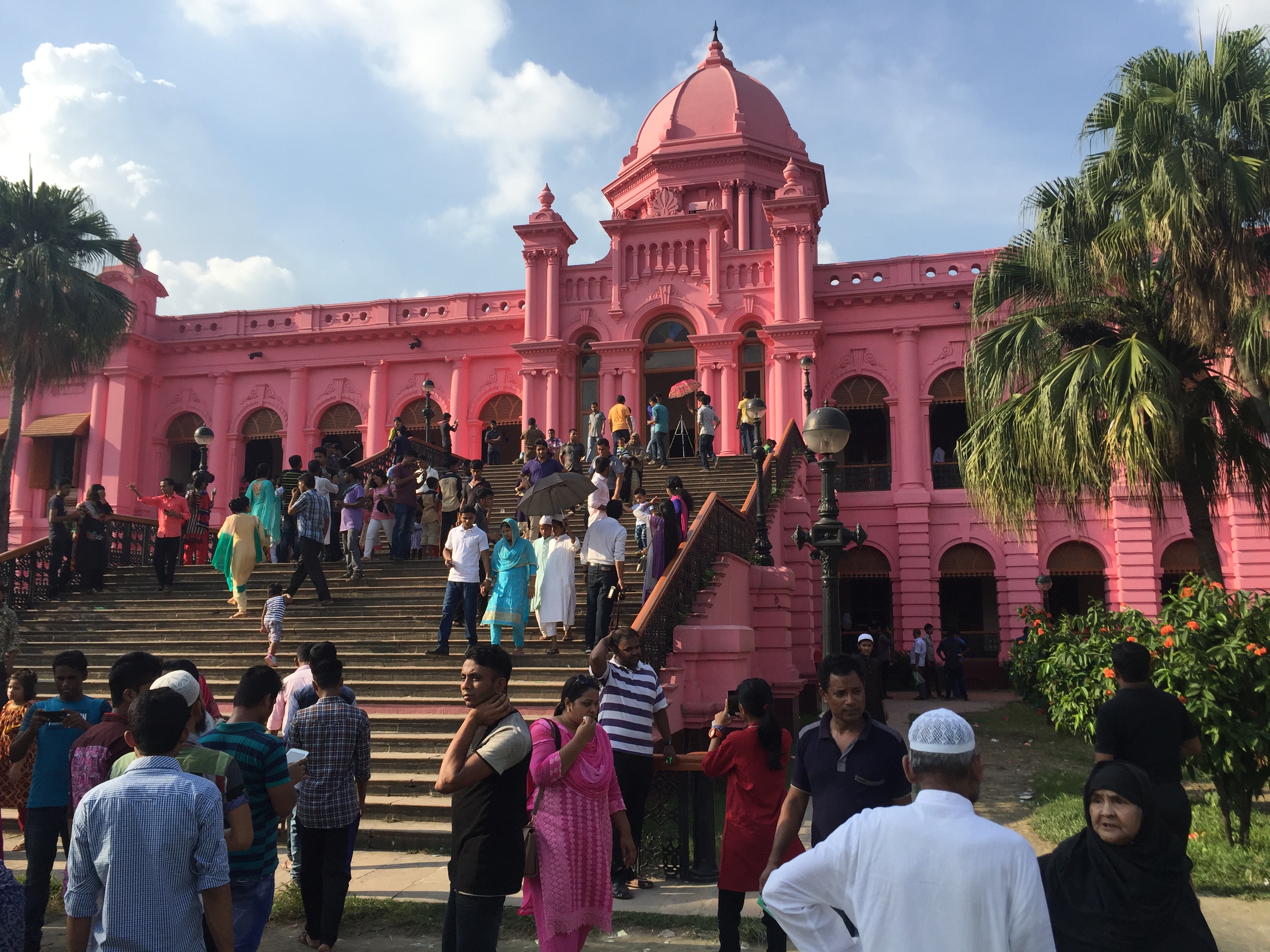
Dhaka and Bangladesh is probably not the best place to go to if you wanna work remotely and it’s probably not going to be overrun with tourists anytime soon. But I would still recommend you to go. I can’t recommend staying with Suman and Lopa enough. Across the world, it’s some of the nicest people I’ve met and you can’t find a better way of getting a glimpse into the real everyday life of the Bangladeshi people. You can find their Airbnb profile here. Don’t forget to say hi from me!


Recent Comments